The Cathedral of Pamplona, officially Metropolitan Cathedral of Santa María the Real of Pamplona, is a religious architectural complex that stands out by his mix of styles and his rich history. Here you have a brief description:
- Architectural styles:
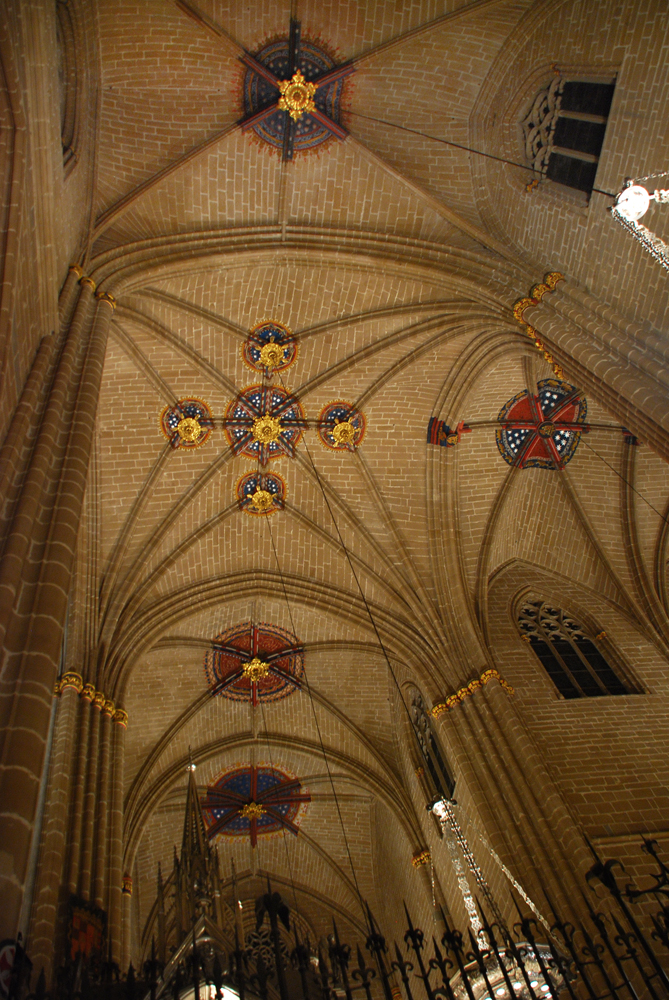
- His interior is mainly of Gothic style, built among the 14th and 15th centuries.
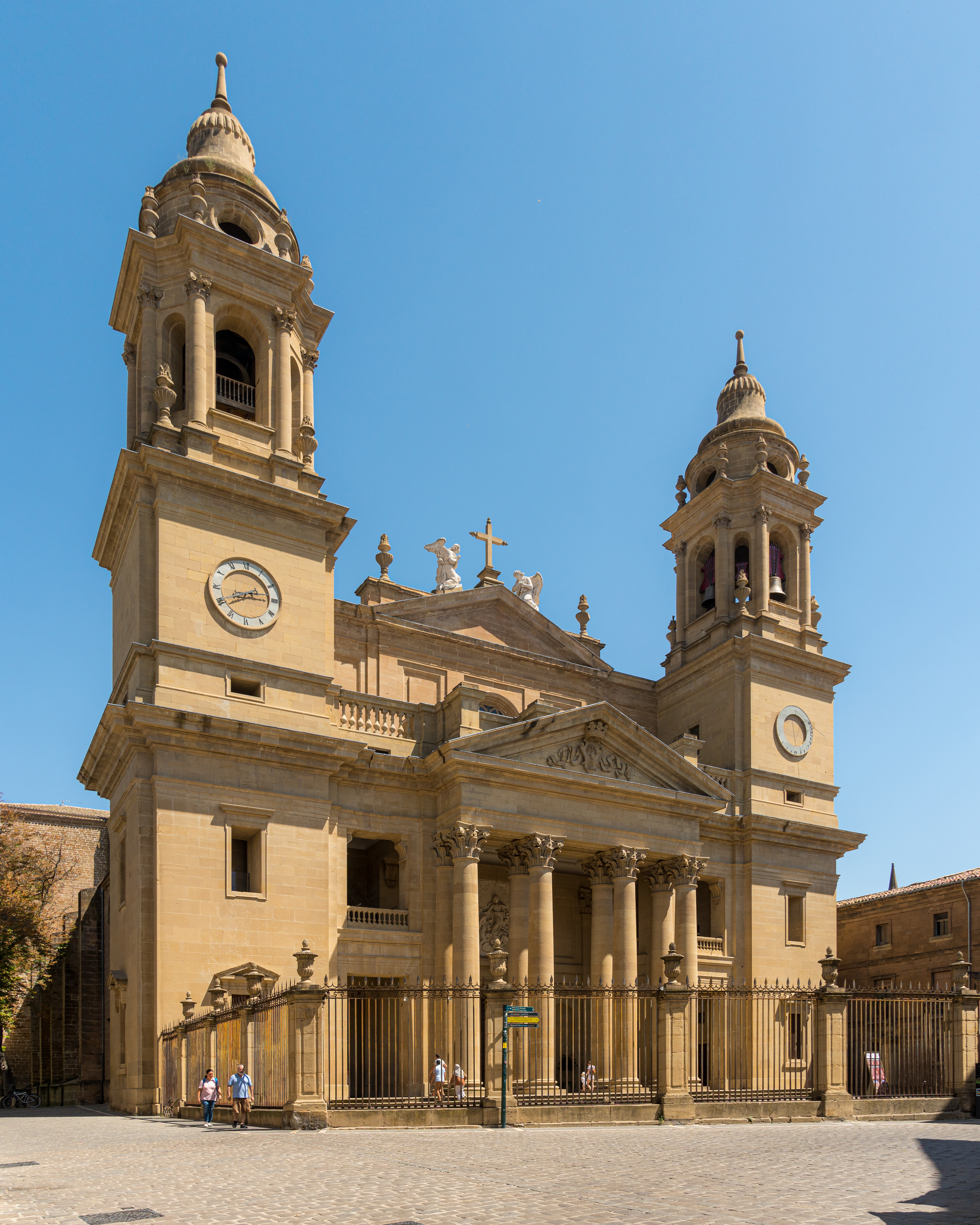
- The main façade is of style neoclásico, designed by Ventura Rodríguez in the 18th century.
- It stands out his claustro Gothic, one of the best conserved of Europe.
- History:
- Built on the rests of ancient romance churches.
- It has been witness of important historical events, including the coronation of kings of Navarra.
- It forms part of the paths of Santiago.
- Elements Stood out:
- The claustro Gothic, with his detailed tracería and sculptures.
- The tomb of Carlos III of Navarra and his wife Leonor of Trastámara.
- The Museum Catedralicio, that houses a valuable collection of sacral art.
In round-up, the Cathedral of Pamplona is a historical and artistic monument of big importance, that combines different architectural styles and houses a rich cultural heritage.
Leer más
Claro, here have a more detailed description of the Cathedral of Pamplona:
History and Evolution:
- Origins and Construction:
- The current cathedral raises on the rests of ancient romance churches, what testifies the long history of the place like religious centre.
- The construction of the main Gothic temple took place among the 14th and 15th centuries, replacing to the ancient romance cathedral that found in dilapidated state.
- Along the centuries, the cathedral has experienced diverse modifications and enlargements, what has given place to the mix of architectural styles that can appreciate in the actuality.
- Façade Neoclásica:
- The main façade, of style neoclásico, was designed by Ventura Rodríguez in the 18th century, and contrasts with the Gothic style of the interior.
- This façade is one of the caracteristicas but distinctive of the edifice, and gives him a very singular appearance.
- Historical importance:
- The Cathedral of Pamplona has been witness of important historical events, including the coronation of kings of Navarra.
- His location on the way of Santiago French has awarded him a notable paper like place of @peregrinación and meeting of cultures.
Elements Stood out:
- Claustro Gothic:
- The claustro Gothic of the cathedral is considered one of the jewels of the Gothic art European, standing out by his elegant tracería and the wealth of his sculptures.
- It is one of the best conserved of Europe, and a visit obliged for the lovers of the art.
- Tomb of Carlos III of Navarra:
- The cathedral houses the tomb of Carlos III of Navarra and his wife Leonor of Trastámara, a master work of the sculpture funeraria Gothic.
- Museum Catedralicio:
- The Museum Catedralicio, known like "Occidens", exhibits a valuable collection of sacral art, including works of painting, sculpture and goldsmithing.
- This museum offers a complete vision of the history and the artistic heritage of the cathedral.
- Inner architecture:
- The interior of the temple is of style gotico frances, what gives him a big height and luminosity.
- The vidrieras, the lateral chapels, and the decoracion general of the temple, do it a place of big beauty.
Additional information:
- The Cathedral of Pamplona is the headquarters of the Archdiocese of Pamplona and Tudela.
- It is a place of active cult, where celebrate masses and other religious events.
- The cathedral and his museum are an important tourist attraction in Pamplona, receiving thousands of visitors every year.